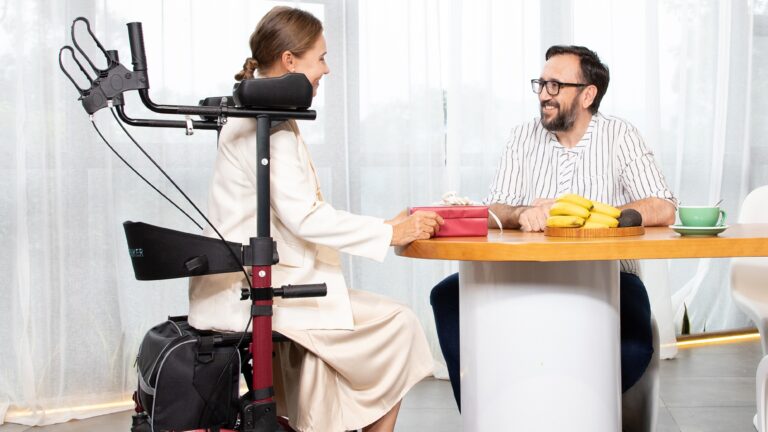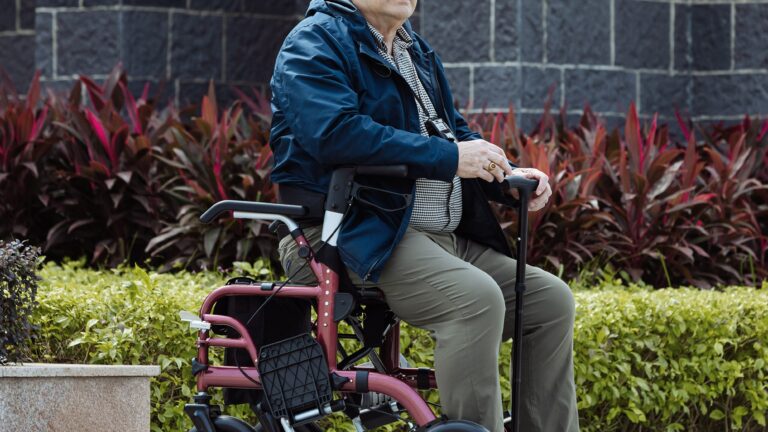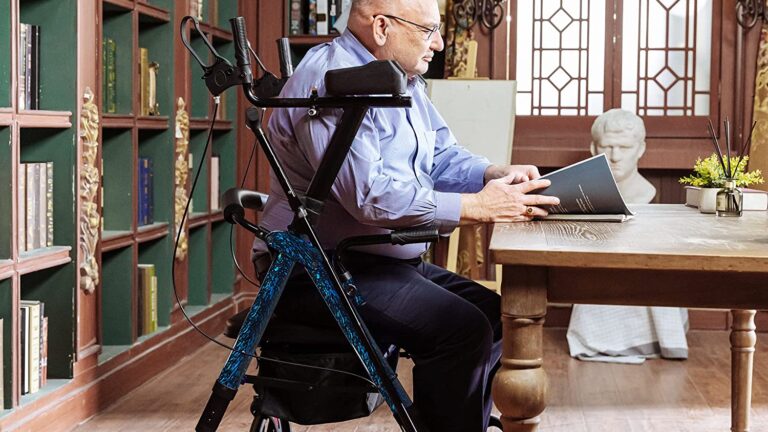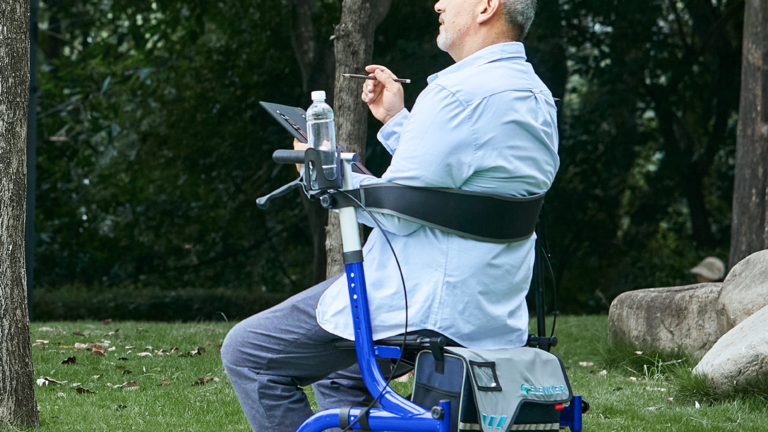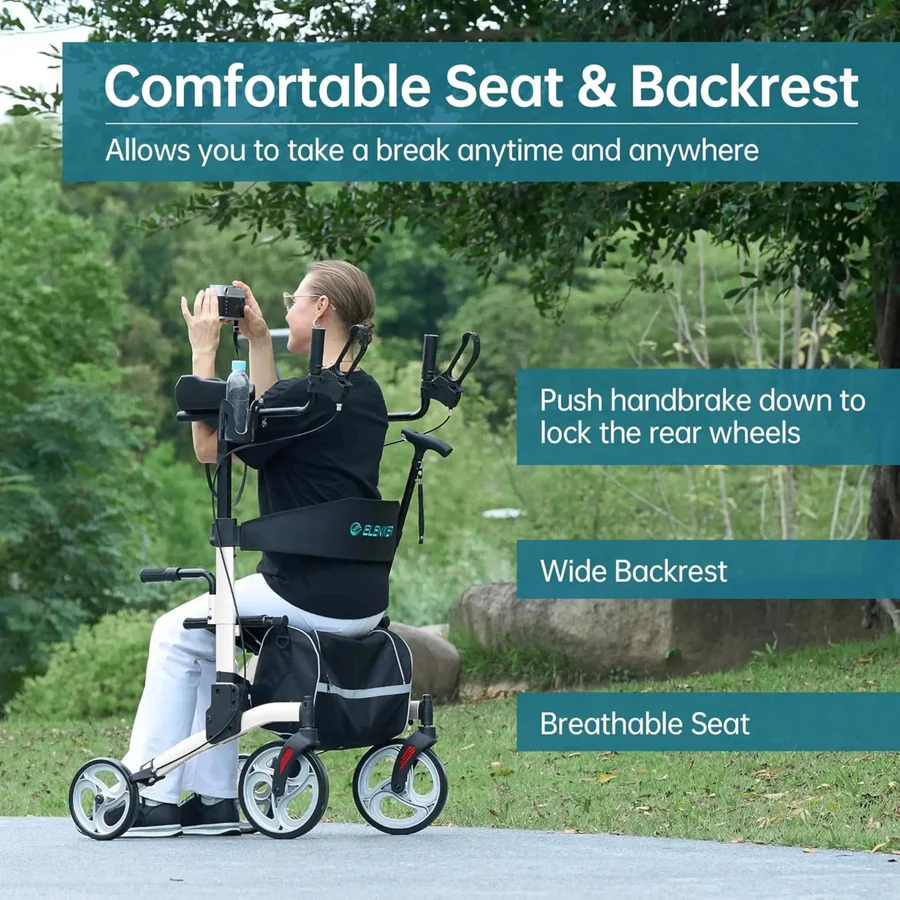
If you’ve ever shopped for a walker, you’ve probably noticed that some come with a little built-in seat. At first glance, it might seem like a small detail, but that seat can make a pretty big difference in how useful—and comfortable—a walker really is.
So what actually sets walkers with seats apart from other types? Is it just about sitting down when you’re tired, or is there more to it?
It’s Not Just About Taking a Break
Yeah, the seat is great when you need a breather. But walkers with seats are about way more than rest. They’re made for folks who want to stay active and independent—but still need support and a place to pause when the body says, “Hey, slow down.”
Whether you’re shopping, walking in the park, or waiting in a long line, having a seat with you means you don’t have to worry about finding the nearest bench. You’re carrying it with you—literally.

Stability and Support on the Move
Walkers with seats usually have four wheels, which gives them more of a “rolling support” feel. Instead of lifting the walker as you go, you just push it forward with ease. The handlebars offer balance, and when you stop to rest, the brakes keep everything still.
That combination of movement and stability is what makes them so useful. They help you stay mobile while also giving you something solid to lean on if you feel off balance.
Like a Parking Spot for Your Legs
Most rollators with seats come with loop-style hand brakes, which you squeeze to slow down and push down to lock in place. That brake system is especially helpful when:
- You’re going downhill
- You’re sitting down or getting up
- You’re trying to keep the walker still on uneven ground

Having a reliable brake system makes it feel more like a sturdy chair and less like a runaway shopping cart.
Comfort Features You Didn’t Know You Needed
Not all seats are the same, by the way. Some are simple, flat pads—just enough to rest your legs for a few minutes. Others are padded and wider, perfect for longer breaks. Some even have backrests for extra support while you sit.
If comfort is important, make sure the walker seat matches your needs. If you’re just using it now and then, a basic seat might be fine. But if you’ll be sitting often or for longer periods, go for something with more cushion and a backrest you can lean into.
Storage That Moves With You
One big perk most people love? Built-in storage.
Most walkers with seats have either a basket or a zippered pouch under the seat. That means you can carry your wallet, phone, snacks, water, or even small shopping items—hands-free. And the best part? No extra bags to juggle.

Having your stuff close by makes everyday errands a whole lot easier. No more hanging bags on the handles and throwing off the balance of your walker.
Great for Longer Outings
If you’re the kind of person who still wants to go for walks, visit the mall, go to the farmer’s market, or attend family events, a walker with a seat gives you more freedom to do those things.
You don’t have to cut trips short because you’re tired. You don’t have to look around for a place to rest. You can take breaks on your own time, without needing help from others or scouting out chairs.
That independence is a huge deal. And it’s something a basic walker without a seat just doesn’t offer.
Who Benefits Most from Walkers with Seats?
You might consider one if:
- You get tired easily while walking
- You need a place to sit during outings
- You have balance issues but still want to stay mobile
- You like being outdoors or doing errands without needing to sit on public benches or store displays
- You’re a caregiver who wants peace of mind that your loved one has a spot to rest when needed

Even if you don’t sit often, knowing you can sit anytime you want is a comfort all its own.
Walkers with Seats are Not Just for Seniors
Quick note: while walkers with seats are super popular with older adults, they’re not just for seniors. People recovering from surgery, folks with MS, arthritis, COPD, or fatigue from chronic illness also find walkers with seats incredibly useful.
It’s not about age—it’s about making movement easier. And if a little seat helps with that? All the better.
What to Look For Before You Buy
Not all walkers with seats are the same, so a few things to keep in mind:
- Seat height and width – Make sure it’s comfortable for your height and body size
- Weight capacity – Double-check that it supports your weight safely
- Foldability – If you travel or store it often, make sure it folds up easily
- Wheel size – Larger wheels handle outdoor terrain better; smaller wheels are better for tight indoor spaces
- Backrest or no backrest? – Decide based on how long you plan to sit
- Storage options – Look for a pouch or basket if you want to carry stuff with you
These small details can make a big difference in daily use.
Walkers with seats aren’t just about sitting—they’re about freedom. The freedom to keep going, take a break when you want, and do more on your own terms. Whether you’re running errands, taking a walk, or just need a little rest now and then, having a seat with you changes the whole experience.
It’s like bringing your own personal rest stop wherever you go.
So if comfort, independence, and a little extra support sound good to you, a walker with a seat might just be the right call.